The Heart of Yoga: Ethics Beyond Posture
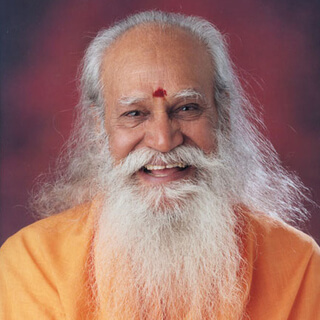
Swami Satchidananda's assertion that "posture without ethics is gymnastics, not yoga" invites us to reflect on the deeper essence of yoga beyond its physical practice. In this statement, he emphasizes that the true spirit of yoga transcends mere physical alignment and flexibility; it is rooted in ethical living and moral integrity. This distinction is crucial in a world where the physical aspects of yoga often overshadow its philosophical and ethical dimensions, reminding practitioners that the journey toward self-realization is as much about inner virtue as it is about outer form.
As we delve into this quote, we uncover layers of meaning that challenge us to reconsider our approach to yoga and, by extension, to life itself. The practice of yoga, when stripped of its ethical foundation, risks becoming a mere performance—an exercise in physicality devoid of purpose or connection. This perspective invites us to explore how our actions, intentions, and ethical commitments shape our practice and our lives, urging us to cultivate a holistic understanding of yoga that integrates body, mind, and spirit.
The image / the metaphor
At first glance, the imagery in Satchidananda's quote juxtaposes two seemingly distinct activities: gymnastics and yoga. Gymnastics, with its emphasis on physical prowess and aesthetic achievement, represents a practice focused solely on the body’s capabilities. In contrast, yoga embodies a profound journey toward self-awareness and ethical living. The verbs "posture" and "gymnastics" evoke a sense of movement and physicality, yet they also hint at a deeper inquiry into the motivations behind our actions. Are we merely performing for the sake of appearance, or are we engaging in a transformative practice that nurtures our ethical and spiritual growth?
Diving deeper into the metaphor, we can see that Satchidananda is not dismissing the value of physical postures; rather, he is urging us to recognize that they are but a gateway to a more profound experience. The essence of yoga lies in the integration of body, mind, and spirit, where ethical considerations guide our actions and intentions. This metaphor serves as a reminder that the practice of yoga is not an end in itself but a means to cultivate a life of compassion, integrity, and connection to the greater whole.
In the speaker's tradition
Swami Satchidananda's teachings are deeply rooted in the tradition of integral yoga, which emphasizes the unity of body, mind, and spirit. Central to this philosophy is the concept of dharma, or ethical duty, which calls upon practitioners to align their actions with a higher purpose. In this context, ethics are not merely rules to follow but are seen as expressions of our interconnectedness with all beings. The practice of yoga, therefore, becomes a means of embodying our highest values, fostering compassion, and nurturing a sense of responsibility toward ourselves and others.
In the Yoga Sutras of Patanjali, the ethical precepts known as the Yamas and Niyamas serve as foundational guidelines for practitioners. These principles encourage us to cultivate virtues such as non-violence, truthfulness, and contentment, which are essential for a holistic practice. By grounding our physical postures in these ethical teachings, we transform our yoga practice into a profound exploration of self and a commitment to living in harmony with the world around us.
Living the teaching
Consider a modern scenario where someone approaches yoga as a way to enhance their physical appearance or athletic performance. In this context, the individual may focus solely on mastering difficult poses, driven by the desire for recognition or validation. However, without the ethical framework that Satchidananda emphasizes, this practice risks becoming superficial, lacking the depth and transformative potential that true yoga offers. By integrating ethical considerations into their practice, this individual can shift their focus from external validation to internal growth, fostering a deeper connection to themselves and their community.
Another application of this teaching can be found in interpersonal relationships. Imagine a situation where one partner prioritizes their own needs and desires without considering the impact on their partner. This dynamic reflects a lack of ethical awareness, where the relationship becomes transactional rather than nurturing. By embracing the principles of yoga, such as compassion and empathy, both partners can cultivate a more harmonious and fulfilling connection, recognizing that their actions and intentions shape the quality of their relationship. In this way, the ethical dimensions of yoga extend beyond the mat, influencing how we engage with the world and those around us.
A reflection
As we contemplate Swami Satchidananda's profound insight, we are invited to ask ourselves: How do my actions and intentions reflect my ethical values in my practice and daily life? This question encourages us to explore the ways in which we can deepen our commitment to living a life that embodies the principles of yoga, fostering a sense of integrity and connection in all that we do. By reflecting on this inquiry, we can begin to align our physical practice with our ethical aspirations, transforming our journey into one of holistic growth and self-discovery.


Join the BrightStar Community
Stay connected with daily inspiration, event announcements, and community wisdom